Blog Details
- Home
- Blog details
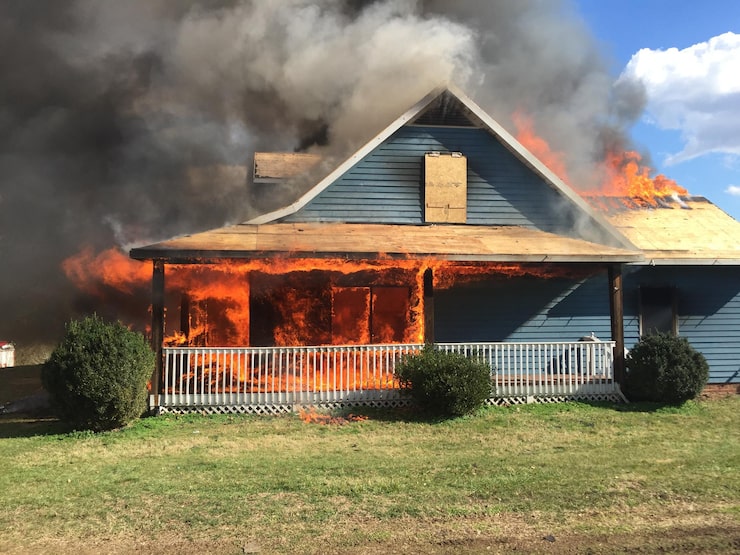
Fire Damage Insurance Claims – What You Need to Know
- Sep 19, 2024
- Sohel
- Comments
A house fire is devastating, leaving behind not only physical destruction but also emotional stress. After such a disaster, filing a fire damage insurance claim should provide the financial support to rebuild. Unfortunately, many claims are underpaid or delayed because homeowners don’t fully understand the process. This guide will walk you through fire damage coverage, documentation, and the steps to maximize your claim.
What Does Fire Insurance Cover?
Most homeowners insurance policies include fire damage coverage, which typically pays for:
- Repair or replacement of your home’s structure
- Replacement of damaged personal belongings
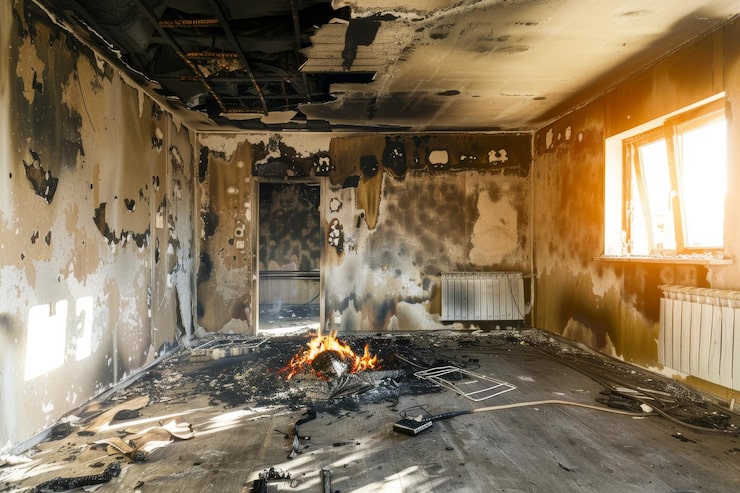
- Smoke and soot cleanup
- Temporary housing if your home is uninhabitable
Common Exclusions
While fire damage is broadly covered, insurance may deny claims in cases of:
- Arson or intentional fire
- Neglect (for example, failing to maintain smoke detectors)
- Fires from uninsured risks like earthquakes or war
Step 1: Ensure Safety and Contact Authorities
Immediately call emergency services. Once the fire is extinguished and your family is safe, contact your insurance company to start the fire damage insurance claim process.
Step 2: Secure and Protect Your Property
Prevent further damage by:
- Boarding up broken windows
- Covering damaged roofs with tarps
Removing valuables from the property
Your insurance policy requires you to mitigate further loss.
Step 3: Document Everything Thoroughly
Good documentation strengthens your claim. Collect:
- Photos and videos of all affected areas, including soot and smoke damage
- An inventory of destroyed belongings with approximate values
- Receipts for fire-related expenses such as hotel stays and meals
Step 4: Understand the Role of the Adjuster
The adjuster represents your insurance company—not you. To protect your interests:
- Ask questions about how they calculate losses
- Provide your own contractor or restoration estimates
- Keep copies of all paperwork
Common Challenges with Fire Damage Claims
- Disputes over “actual cash value” vs. “replacement cost” – insurers may offer less than what’s needed.
- Delays due to extensive investigations.
- Lowball offers that don’t account for hidden smoke or structural damage.
Recent posts
Insurance Claim Process Guide: Maximize Your Payout with…
September 15, 2025
Mold Damage Insurance Claim Guide: Protecting Your Home…
September 15, 2025
Claim Process Images
FAQs
Yes, smoke and soot damage are typically covered, even if flames didn’t reach that area of the house.
Policies vary. Some pay replacement cost, while others only pay the depreciated value.
Absolutely. You’re not required to use the insurer’s preferred vendor.
Yes, water damage from firefighting efforts is usually covered under standard homeowners’ policies.
Policies generally cover personal property, but items with sentimental value may not be fully compensated. Creating a home inventory helps with claims.
It depends on the extent of damage and insurer responsiveness—some take weeks, while complex cases can take months. Having experts like iClaimVia speeds up the process.
Share on
Related Posts
Insurance Claim Support Guide: Maximize Your Property Damage Settlement
Blog Details Home Blog details Insurance Claim Support Guide: Maximize Your Property Damage Settlement Sep…
Insurance Claim Process Guide: Maximize Your Payout with iClaimVia
Blog Details Home Blog details Insurance Claim Process Guide: Maximize Your Payout with iClaimVia Sep…
Mold Damage Insurance Claim Guide: Protecting Your Home and…
Blog Details Home Blog details Mold Damage Insurance Claim Guide: Protecting Your Home and Rights…
- CALL NOW
Need Immediate Help?
Dealing with the aftermath of a fire is overwhelming. At iClaimVia, we help homeowners navigate fire insurance claims with confidence, ensuring they get the maximum settlement possible. Don’t face this process alone—contact us today for expert claim support.
0
%
Satisfied customers