Blog Details
- Home
- Blog details
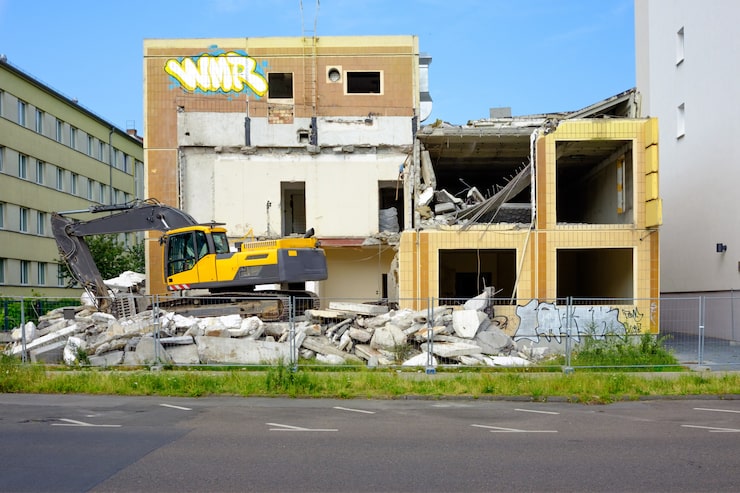
Commercial Property Damage Claims – What Businesses Should Know
- Sep 19, 2024
- Sohel
- Comments
When a storm, fire, flood, or other disaster damages your business, the financial impact can be overwhelming. Repairs, lost income, and downtime put serious strain on operations. While insurance is meant to help, commercial property damage claims are often complex and heavily scrutinized by insurers. This guide explains what every business owner needs to know to protect their company.
The Importance of Commercial Property Insurance
Commercial property insurance typically covers:
- Building repairs (roof, walls, windows, foundation)
- Business personal property (equipment, furniture, inventory)
- Business interruption or lost income due to downtime
- Additional expenses like temporary relocation or storage
Without strong claim support, payouts may be delayed or reduced, making it essential to approach commercial property damage claims strategically.
Common Types of Commercial Property Damage
- Storm Damage: Roof collapse, broken windows, water intrusion
- Fire Damage: Structural repairs, smoke cleanup, equipment replacement
- Water Damage: Burst pipes, flooding, mold growth
- Vandalism and Theft: Broken locks, stolen inventory, security system repairs
Challenges in Commercial Property Claims
Commercial claims are usually larger than residential ones, making insurers more cautious. Challenges include:
- Disputes over valuation – insurers offering less than repair estimates
- Exclusions and policy loopholes – hidden clauses limiting coverage
- Delays – extended investigation before approval
- Business interruption coverage disputes – disagreements over lost revenue calculations
Steps to File a Strong Commercial Property Claim
Step 1: Document the Damage Thoroughly
- Take high-resolution photos and videos
- Save receipts for emergency repairs
- Obtain inspection reports from contractors
Step 2: Review Your Policy Carefully
- Check limits for building, business personal property, and business interruption
- Look for exclusions or deductibles that apply
Step 3: File Promptly
Commercial policies often have strict reporting deadlines. Notify your insurer as soon as possible.
Step 4: Work with Professionals
- Engage a contractor for a detailed estimate
- Consider a claim support specialist to represent your business
- Keep records of all communications with your insure
Recent posts
Insurance Claim Process Guide: Maximize Your Payout with…
September 15, 2025
Mold Damage Insurance Claim Guide: Protecting Your Home…
September 15, 2025
Claim Process Images


FAQs
It reimburses lost income and extra expenses when your business is forced to close due to property damage.
Yes, if the damage reduces its function or value, it may be covered.
Timeframes vary, but large claims can take weeks or even months without strong documentation.
It depends on your policy. Events like floods or earthquakes often require separate coverage.
Insurers usually ask for photos, repair estimates, financial records, and proof of ownership.
Yes, most policies allow you to hire licensed contractors, but costs must be reasonable and approved by your insurer.
Share on
Related Posts
Insurance Claim Support Guide: Maximize Your Property Damage Settlement
Blog Details Home Blog details Insurance Claim Support Guide: Maximize Your Property Damage Settlement Sep…
Insurance Claim Process Guide: Maximize Your Payout with iClaimVia
Blog Details Home Blog details Insurance Claim Process Guide: Maximize Your Payout with iClaimVia Sep…
Mold Damage Insurance Claim Guide: Protecting Your Home and…
Blog Details Home Blog details Mold Damage Insurance Claim Guide: Protecting Your Home and Rights…
- CALL NOW
Need Immediate Help?
A disaster can threaten your business, but the right claim strategy can protect it. At iClaimVia, we help businesses file and negotiate commercial property damage claims to recover faster and more fully. Contact us today and safeguard your company’s financial future.
0
%
Satisfied customers