Blog Details
- Home
- Blog details
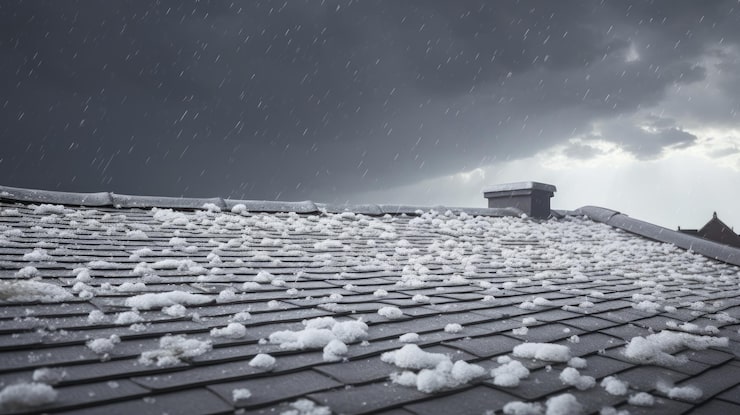
Roof Damage Insurance Claims – Storms, Hail, and Wind
- Sep 19, 2024
- Sohel
- Comments
Your roof is your home’s first line of defense against storms, hail, and high winds. When severe weather strikes, a storm damage roof insurance claim is often the first step homeowners must take to protect their property and finances. Unfortunately, many policyholders struggle to get fair compensation because insurers often dispute the extent of the damage. This guide explains how roof damage claims work and how to protect your rights.
Types of Roof Damage Covered by Insurance
Most homeowners insurance policies cover roof damage caused by sudden and unexpected events such as:
- Hailstorms – dents, cracks, or broken shingles
- Wind damage – missing shingles, lifted flashing, or torn-off sections
- Fallen trees or debris – structural impact from storms
- Fire damage – direct fire or smoke damage to the roof
What Insurance May Not Cover
Insurance companies may deny coverage if:
- The damage is due to wear and tear or aging materials
- The roof was poorly maintained or neglected
- Previous damage was never repaired
Step 1: Inspect and Document the Damage
After a storm, conduct a safe inspection or hire a professional roofer to:
- Take photos of missing shingles, dents, or cracks
- Look for interior water leaks and ceiling stains
- Collect weather reports confirming the storm event
Step 2: File the Claim Promptly
Time is critical. Report the damage to your insurer quickly to avoid denial. When filing a storm damage roof insurance claim, provide:
- Your documentation and photos
- A roofing contractor’s estimate
- Any emergency repair receipts
Step 3: Prepare for the Adjuster’s Visit
When the adjuster inspects your roof:
- Be present during the inspection
- Point out all visible damage
- Provide your contractor’s report as supporting evidence
Common Issues with Roof Damage Claims
- Low settlement offers – insurers may argue repairs are cheaper than they actually are
- Partial claim approvals – covering only a portion of the damage
- Delays in processing – especially after widespread storm events
How to Strengthen Your Claim
- Keep detailed maintenance records of your roof
- Always request a second opinion from an independent roofing contractor
- Consider professional claim support to negotiate on your behalf
Recent posts
Insurance Claim Process Guide: Maximize Your Payout with…
September 15, 2025
Mold Damage Insurance Claim Guide: Protecting Your Home…
September 15, 2025
Claim Process Images

FAQs
If damage is widespread and affects roof integrity, insurance may cover replacement instead of repairs.
Older roofs are sometimes reimbursed at depreciated value rather than full replacement cost.
Yes, you can hire any licensed roofing contractor, not just the one your insurer recommends.
Not always—standard policies cover restoring your roof to its prior condition. To get coverage for code-required upgrades, you may need an “ordinance or law” endorsement.
They typically send an adjuster to inspect. Having a roofer or claims expert like iClaimVia present helps ensure storm damage isn’t dismissed as wear and tear.
If repairs won’t restore uniform appearance or function, many states require insurers to cover full replacement of the affected slope—or sometimes the whole roof.
Share on
Related Posts
Insurance Claim Support Guide: Maximize Your Property Damage Settlement
Blog Details Home Blog details Insurance Claim Support Guide: Maximize Your Property Damage Settlement Sep…
Insurance Claim Process Guide: Maximize Your Payout with iClaimVia
Blog Details Home Blog details Insurance Claim Process Guide: Maximize Your Payout with iClaimVia Sep…
Mold Damage Insurance Claim Guide: Protecting Your Home and…
Blog Details Home Blog details Mold Damage Insurance Claim Guide: Protecting Your Home and Rights…
- CALL NOW
Need Immediate Help?
Don’t let your insurer minimize storm or hail damage to your roof. At iClaimVia, we work with homeowners to ensure roof claims are handled fairly, securing the settlement you deserve. Contact us today to get help with your claim.
0
%
Satisfied customers